Poison Ivy Removal in Philadelphia, PA
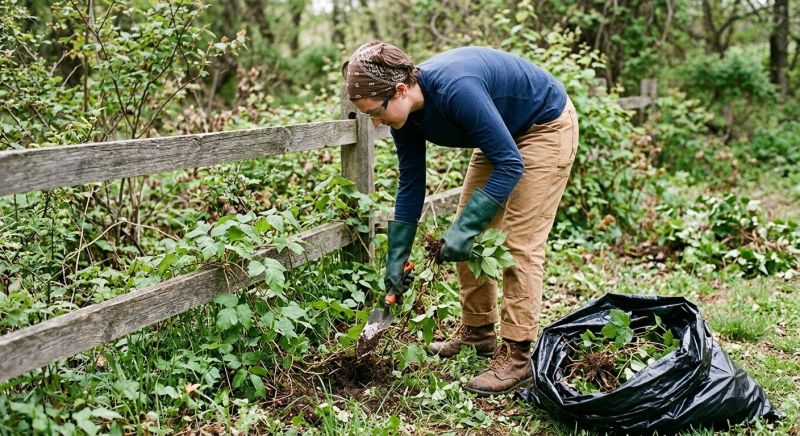
Poison ivy removal services focus on safely eliminating this invasive plant from residential properties, helping homeowners restore their outdoor spaces and prevent skin irritation. These services typically cover projects such as clearing poison ivy from lawns, gardens, fences, trees, and other landscape features. Property owners often seek this service when poison ivy poses a risk to family members, pets, or visitors, or when it has overtaken a yard or wooded area, making outdoor activities unsafe or unpleasant.
Before requesting poison ivy removal, property owners usually want to understand the scope of the work involved, including whether the removal will be manual, chemical, or a combination of methods. It's also helpful to know if the removal process will include proper disposal of the plant to prevent regrowth and how to identify poison ivy among other plants. Clarifying these details can ensure the project addresses the specific areas affected and reduces the likelihood of future growth.
Many property owners in Philadelphia, PA look into Poison Ivy Removal for repairs, replacements, upgrades, and appearance-related improvements.
Understanding Poison Ivy
Poison ivy is a common plant in philadelphia that can cause skin irritation and allergic reactions.
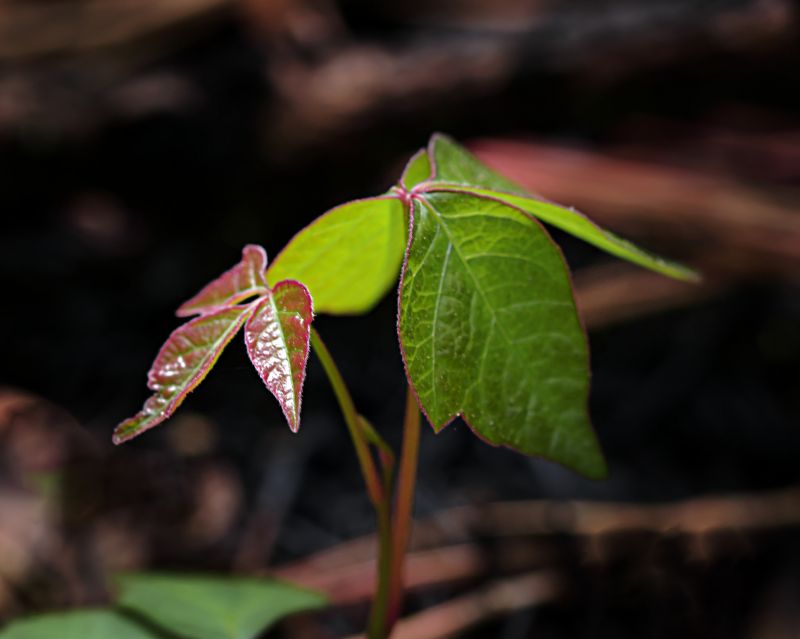
Signs Of Infestation
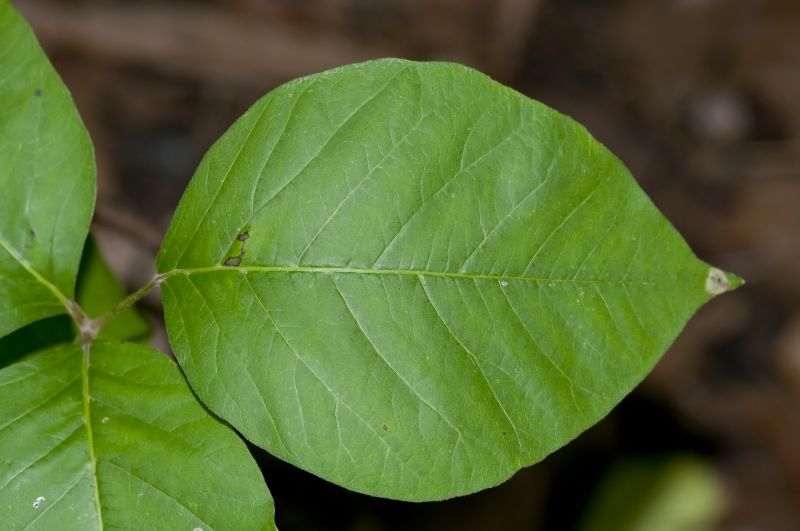
Identifying poison ivy growth on fences, trees, and ground covers helps in planning removal efforts.
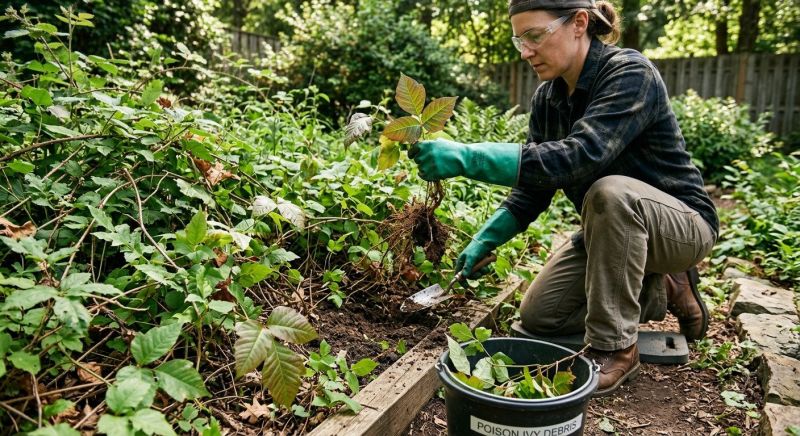
Removal Considerations
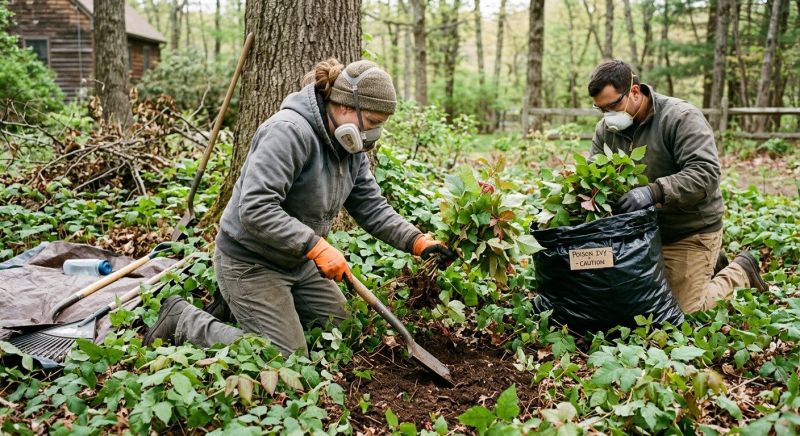
Professional removal ensures safe elimination of poison ivy to protect property and health.
Poison Ivy Removal in Philadelphia, PA

Poison ivy removal services focus on safely eliminating this invasive plant from residential properties, helping homeowners restore their outdoor spaces and prevent skin irritation. These services typically cover projects such as clearing poison ivy from lawns, gardens, fences, trees, and other landscape features. Property owners often seek this service when poison ivy poses a risk to family members, pets, or visitors, or when it has overtaken a yard or wooded area, making outdoor activities unsafe or unpleasant.
Before requesting poison ivy removal, property owners usually want to understand the scope of the work involved, including whether the removal will be manual, chemical, or a combination of methods. It's also helpful to know if the removal process will include proper disposal of the plant to prevent regrowth and how to identify poison ivy among other plants. Clarifying these details can ensure the project addresses the specific areas affected and reduces the likelihood of future growth.
Many property owners in Philadelphia, PA look into Poison Ivy Removal for repairs, replacements, upgrades, and appearance-related improvements.
Common Poison Ivy Removal Jobs
Poison Ivy Removal - Safely eliminates poison ivy from lawns, gardens, and wooded areas.
Yard Clearing - Removes poison ivy vines from trees, fences, and other structures.
Property Maintenance - Prevents regrowth through targeted removal and treatment.
Landscape Cleanup - Clears poison ivy from landscaped beds and outdoor living spaces.
Vegetation Control - Manages invasive plants to protect property and landscaping.
Site Restoration - Restores safety and aesthetics after poison ivy removal efforts.
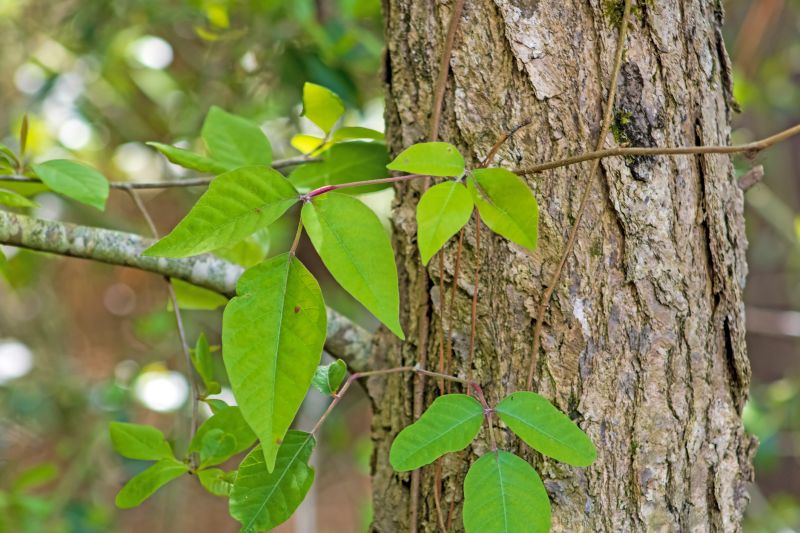
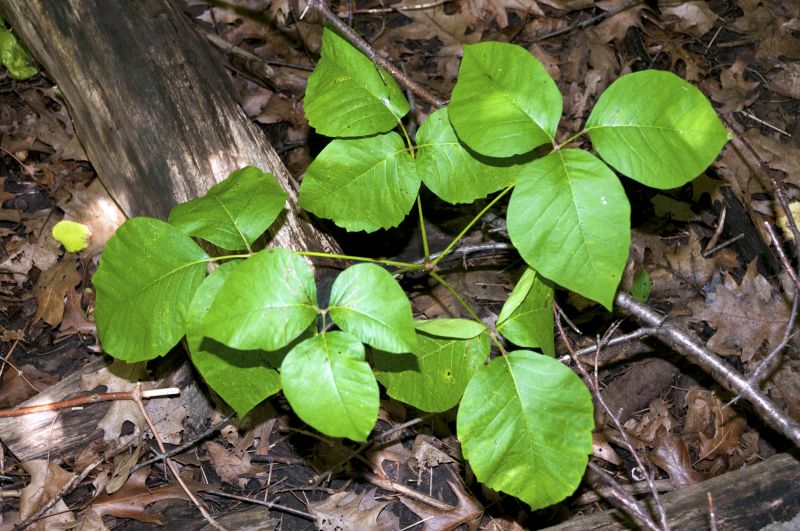
Poison Ivy Removal Questions
What is poison ivy removal? Poison ivy removal involves safely eliminating the plant from residential or commercial properties to prevent skin irritation and environmental spread.
Why should poison ivy be removed? Removing poison ivy reduces the risk of skin contact, prevents the plant from spreading, and protects landscaping and outdoor spaces.
When is the best time for removal? The optimal time for removal is during the plant's active growing season, typically in late spring through early fall.
What methods are used for poison ivy removal? Removal methods include manual pulling, cutting, and applying specialized herbicides to ensure complete eradication.
Request Poison Ivy Removal in Philadelphia, PA
Use the quote form on this page to share the basics of your project and request more information for the type of work you need.